A Beautiful Place in Europe
Diamante: A City with a Big Heart
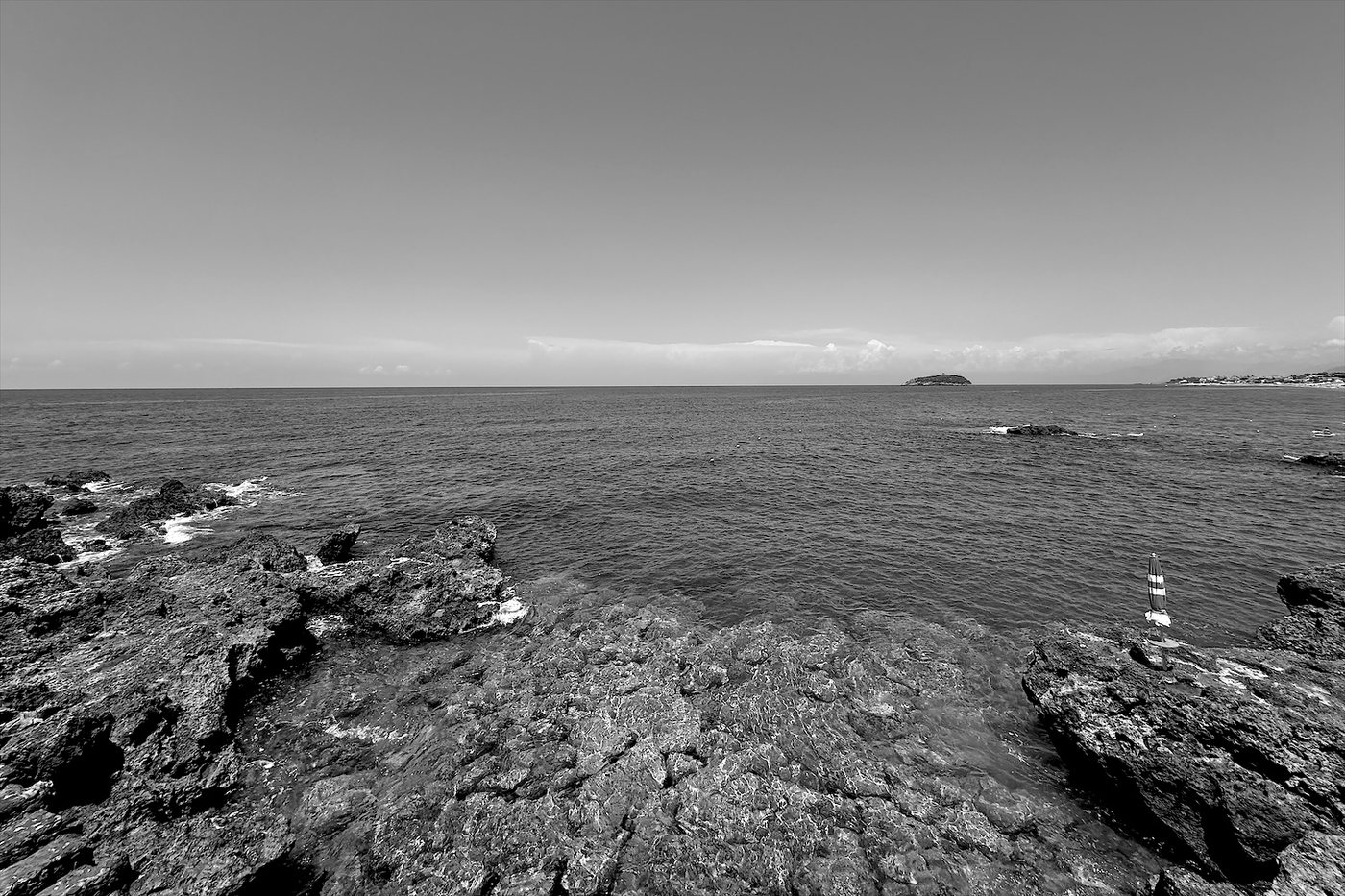
A stretch of coast that gives you more than warmth and comfort: here you are given meaning, and care. It is home to a festival that speaks about the most important problems in our lives — and to music that leaves the whole audience holding its breath.
I love music, concerts, live performances — especially when there is meaning in them. Not just entertainment: you rush in, dance a little, leave. I mean music that tells the truth and opens your eyes to the world as it really is. Our magazine grew out of an association, so social projects are simply part of who we are, and I am always happy to support them wherever I can.
Dora had been invited to perform at the festival in Diamante — she already knew the organisers. She and Alessandro have recorded several songs together and share the stage, so she asked him to come along. Alessandro mentioned that I have a magazine and suggested I come too, with the idea that I would write about the festival and the town. That is how I found myself in Diamante: as a friend offering support, and as press. I filmed stories, took photos, showed how everything unfolded. I had never been to Calabria before — in fact, I had never travelled further south than Puglia — so for me this was an entirely new place.
What struck me most, from the very first minutes, was the care the organisers showed us, led by the festival’s artistic director, Francesco Presta. We arrived late, practically at night — just as the festival cake was being cut: candles, a swimming pool, such warm, open-hearted people. They settled us into a beautiful apartment and told us: “We prepared this especially for you.” A basket of southern lemons with thick skins — I adore them — apricots, plums, local sweets, even water. The shops had already closed, and yet we already had, you could say, our breakfast. It was such a lovely feeling! They look at you with so much kindness and warmth, as if you were their friend, as if they had known you for years. Dinner is at such-and-such a time, come here, go there… Thanks to this welcome, the atmosphere felt like friendship from the very first minutes — and it left me with a very, very sweet memory.
A Festival That Chose Meaning
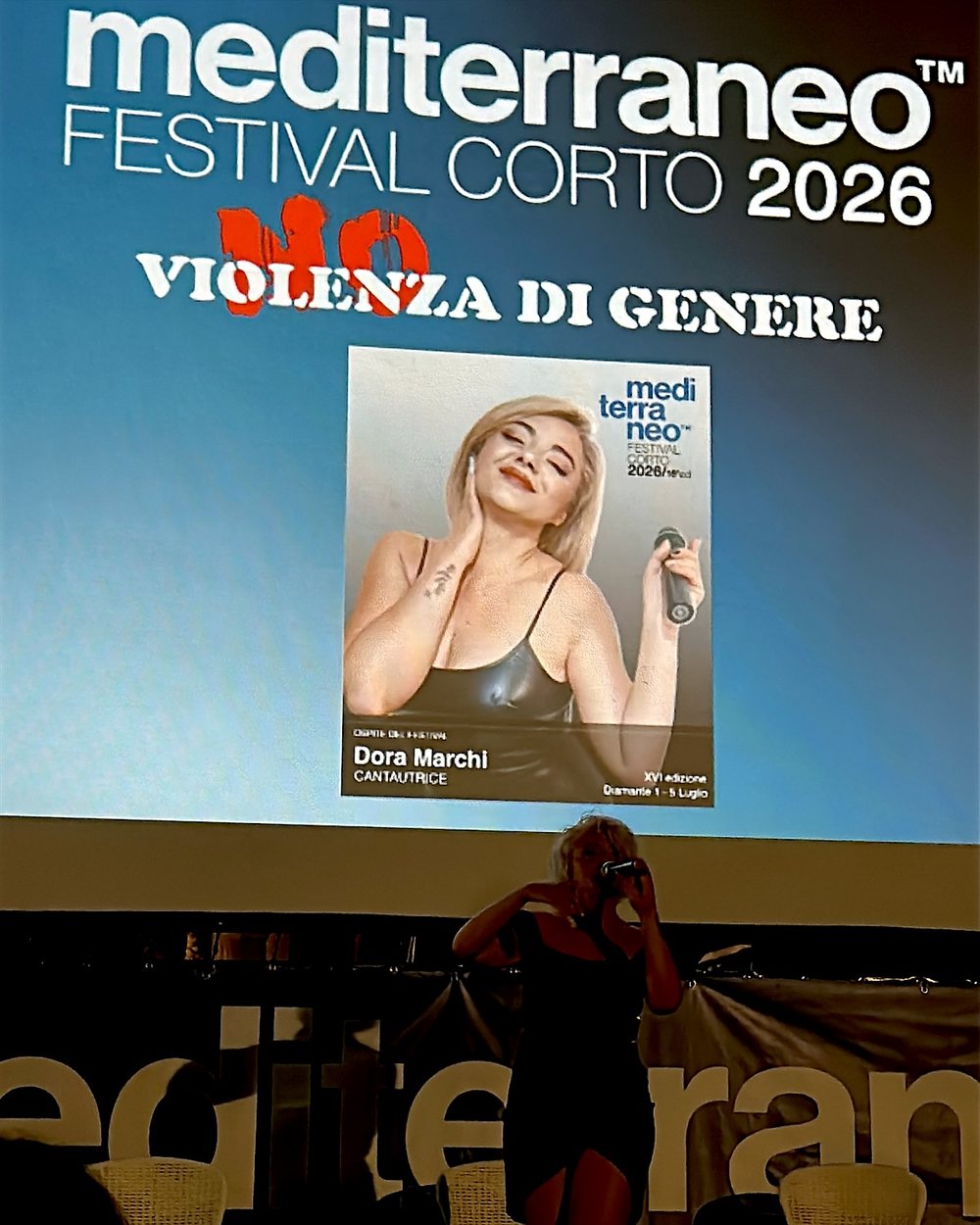
The theme of this festival is the fight against violence and the defence of women’s rights. On every screen and every poster, a single line: “NO violenza di genere” — “No to gender-based violence.”
Mediterraneo Festival Corto is an international short-film competition run by CineCircolo Maurizio Grande in Diamante. In 2026 it took place for the sixteenth time, from 1 to 5 July: short films, animation, documentaries, social-awareness films and work from film schools. For the seventh year now, its Human Rights section has been held under the patronage of Amnesty International Italia; the festival has been recognised by the Italian National Commission for UNESCO, and this year it was supported by Rai Calabria. For five July evenings, the little town becomes an open-air cinema: a screen on the seafront, rows of chairs, the sea at your back.
The depth the organisers have poured into this festival is so sincere that you could feel it in every cell of your body. As the editor of a magazine, and the founder of an association that has spent many years watching society and the problems that shape the lives of people and of whole generations, I especially valued how much the organisers and the artistic director, Francesco Presta, invest in meaning and in the quality of the event. And how tenderly the town hall looks after the people of Diamante and all its guests.
Two Evenings by the Sea
Before the opening of this legendary festival, Dora and the gifted composer and pianist Alessandro Porcella gave a concert of their own on a stage set right on the shore. On 1 July, on the seafront, they presented “E se ti dicessi…” — a journey through music and the stories hidden behind the songs we love most.
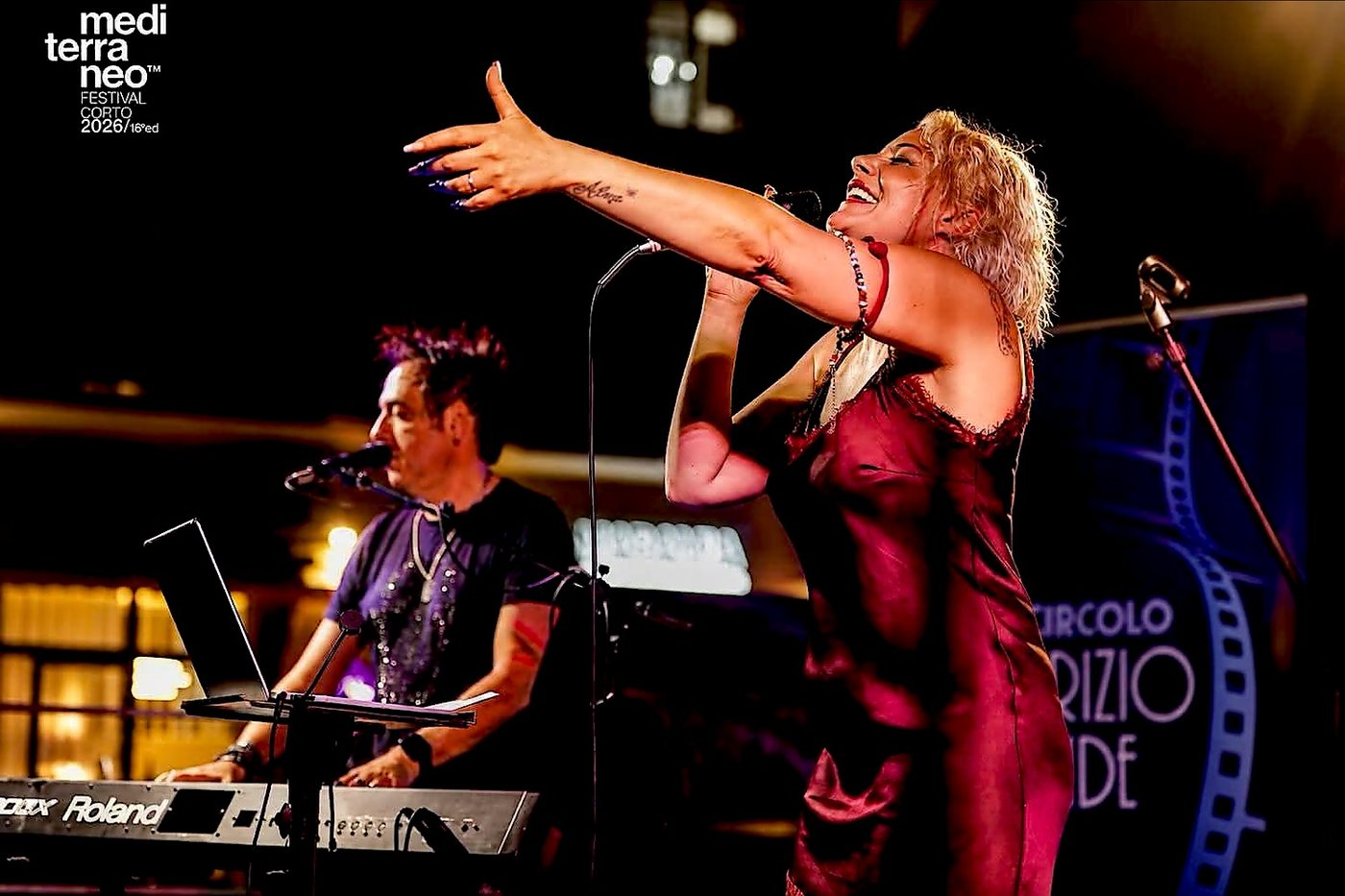
The following evening, at the opening, names began to appear on the screen behind Dora. Women’s names, one after another. The names of women who had been hurt, and killed, by domestic violence. A few years ago, a close friend of Dora’s became a victim of domestic violence and tragically lost her life. Dora wrote a song, “Nata per essere amata” (“Born to Be Loved”), and dedicated it to her friend, telling her story. A true story, honest emotion, a song that goes straight to the heart — and the names on the screen. That sincerity, and the courage to name the true scale of the problem, became a bridge between reality and the audience: the kind of bridge that shows the truth, however bitter it may be.
It was as if I was there to speak for them.Dora Lee Marchi
Dora: “Never Go to the Last Meeting”
What was your friend like?
“Lidia was an incredibly sunny girl with a wonderful smile. She loved animals: in Pavia — and not only there — she was known as a defender of animals. She volunteered, helping strays find a family: dogs, cats, any animal at all. She was vegan, an anti-speciesist — which tells you how vast and kind that soul was. And everyone called her ‘Rossa’ — the redhead — because her hair was always a vivid red.”
How was the song born?
“The song came almost a year after she was gone, during Covid, when I started writing my album. I write in one breath: it rarely happens that I start a song and finish it a week later. I was at home, in the evening, before dinner. I thought of her, opened her Facebook page — and began to write.”
What was happening inside you as the names appeared?
“It was so intense. It was as if I was there to speak for them. Even now, as I tell you this, I want to cry — I don’t know how I held back that night. It touches me very closely. And even the stories of women I never knew, killed by their partners, move me: I feel every single one.”
A reaction from the audience you will never forget?
“When I finished speaking, the audience didn’t applaud straight away. There were a few seconds of silence — as if applause, in that moment, would have been out of place. That’s how I knew how deeply the story had touched them.”
What would you say to a woman living through what your friend went through?
“It doesn’t matter whether you still love this man, whether you think you love him, whether you believe he loves you. If you have ended the relationship — especially if there has already been violence — never go to that last meeting. Don’t let him into your home again. If he says, ‘Please, let’s see each other one last time, just to talk,’ say no: almost always, tragedy happens at exactly that last meeting — the one that truly becomes the last. Never go to the last meeting.”
A Town Where Beauty Lives
After evenings like these, the town opens up in a different way. Mornings belong to the sea; in the evening a breeze rolls in off the water, the heat lets go, the seafront fills with people, and Diamante stays awake late into the night, in its unhurried southern rhythm.
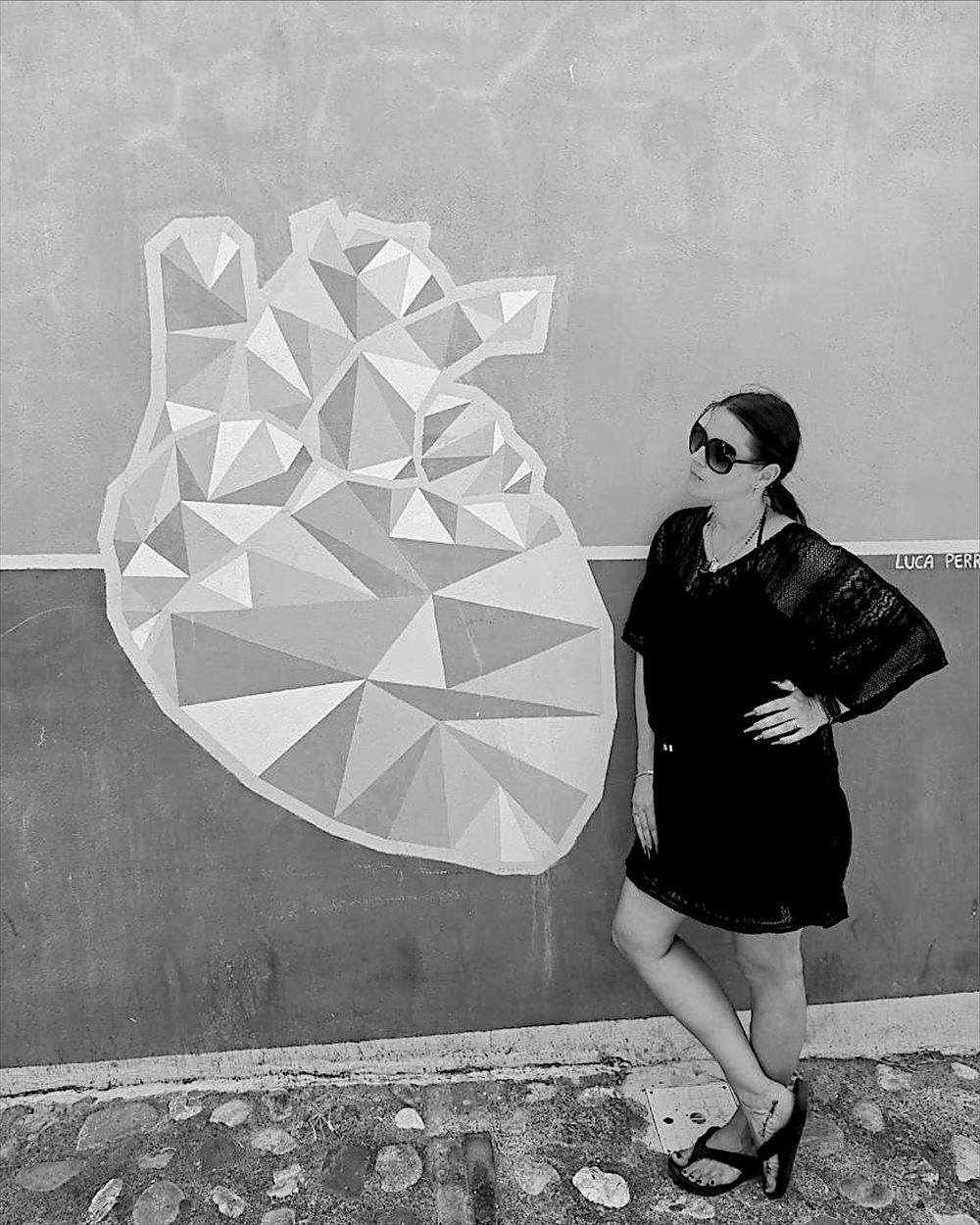
Diamante is a work of art in itself. Since 1981 the walls of its historic centre have been handed over to artists, and today there are more than a hundred and fifty murals here. You are simply walking down a lane — and a heart looks back at you from the wall.
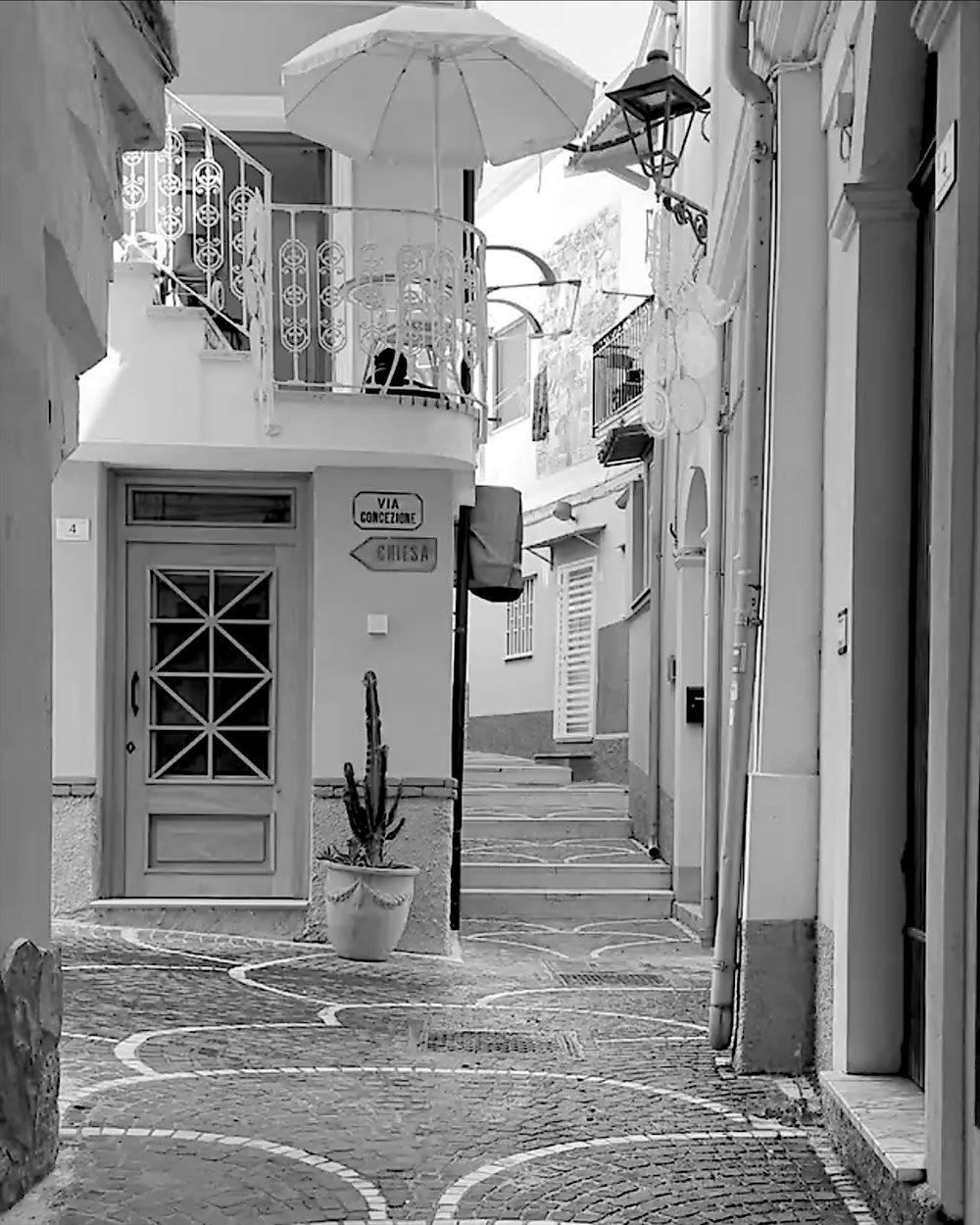
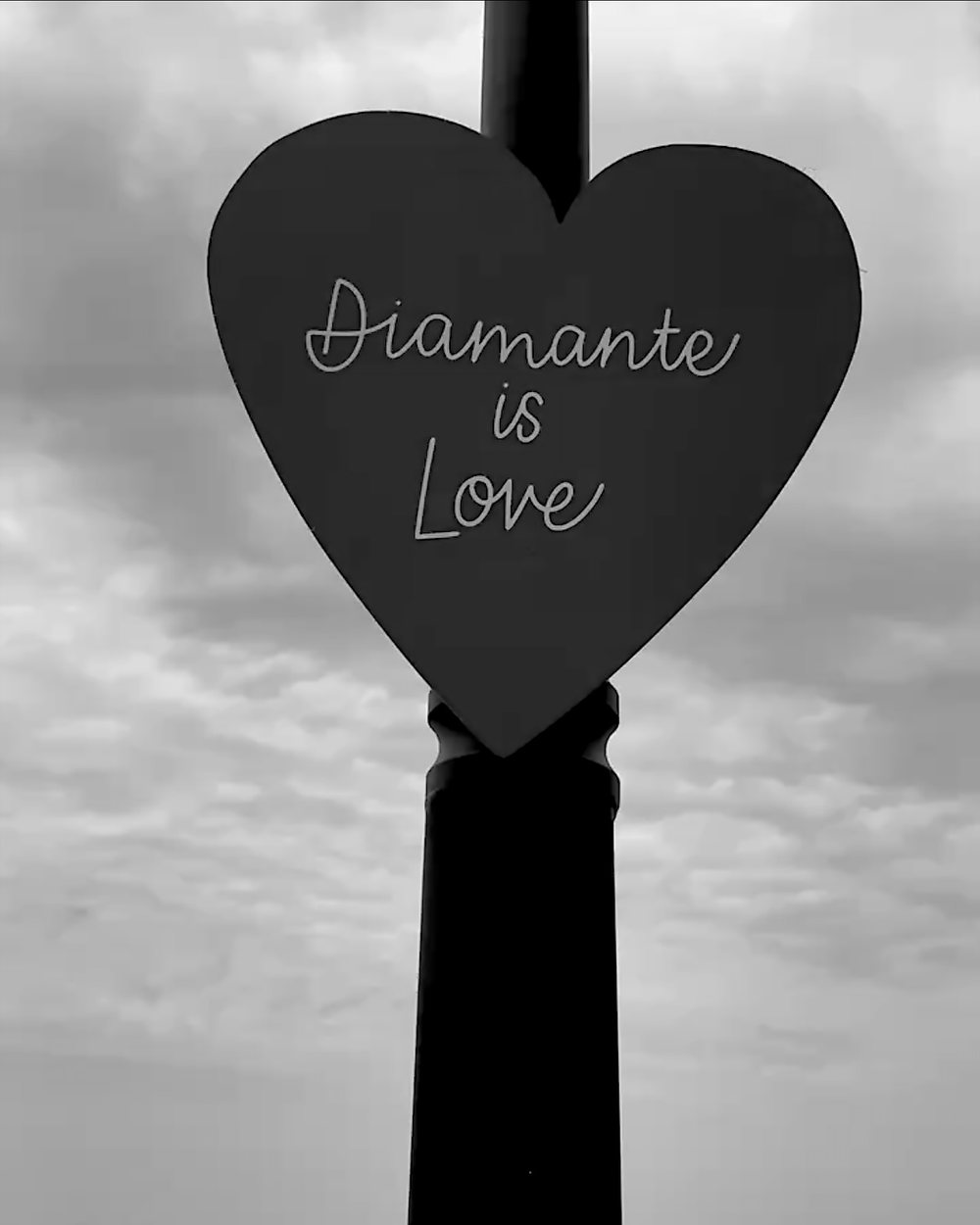
Diamante lies on the Riviera dei Cedri — the Citron Coast: every summer, rabbis come here from all over the world to choose, by hand, the perfect fruit for the festival of Sukkot. And in early September the town holds a festival of peperoncino, the fiery chilli pepper. If July in Diamante is about cinema and meaning, September is about flavour and fire.
Finale
To sum it all up: first, the people and the way they welcome you; second, the atmosphere and the beauty; third, the food — and the sharp kick of peperoncino.
Diamante is a town that wraps you in beauty and the sound of the surf — and then, with great precision, the truth the festival’s organisers want to share lands right in your heart. It is an extraordinary thing to feel, with every cell of your body, the emotion people put into their work, the worries and the hopes that sound in the voices speaking to you from the stage. And it is precious. Coming here, you understand: this place was not made for a pretty picture, or to draw as large a crowd as possible. It changes something in you and opens your heart. You begin to feel the world differently — with great love and kindness towards what is happening and towards the people around you. Exactly the way the town and the people of Diamante treat you.
It is worth coming here not only for the history and the beauty, but for real, honest emotions — the kind that do not fade with time.
From MORO Magazine Nº1 · Autumn 2026 · Read the full issue →
Victoria Moro
← Back to StoriesA Beautiful Place in Europe
Diamante: una città dal grande cuore
Una costa che, oltre al calore e alle comodità, ti regala senso e cura. Qui va in scena un festival che parla dei problemi più importanti della vita, e risuona una musica dopo la quale la platea resta col fiato sospeso.
Amo tantissimo la musica, i concerti, gli spettacoli dal vivo, soprattutto quando dentro c’è un significato. Non semplice intrattenimento: arrivi, balli un po’, te ne vai. Ma quando la musica dice la verità e ti apre gli occhi sul mondo così com’è. La nostra rivista è nata da un’associazione, per questo i progetti sociali sono semplicemente una parte di noi, e li sostengo sempre con gioia, ovunque posso.
Dora era stata invitata a esibirsi al festival di Diamante: conosceva già gli organizzatori. Con Alessandro ha inciso alcune canzoni e si esibiscono insieme, così gli ha chiesto di accompagnarla. Alessandro ha raccontato che ho una rivista e ha proposto di venire anche a me, con l’idea che scrivessi del festival e della città. È così che mi sono ritrovata a Diamante: come sostegno da amica e come stampa. Giravo le stories, scattavo foto, mostravo come si svolgeva tutto. In Calabria non ero mai stata: a sud non mi ero mai spinta oltre la Puglia. Per me era un posto completamente nuovo.
Fin dai primi minuti, ciò che mi ha colpito di più è stata la cura con cui ci hanno accolto gli organizzatori, guidati dal direttore artistico del festival, Francesco Presta. Siamo arrivati tardi, era ormai praticamente notte, proprio mentre si tagliava la torta del festival: le candeline, la piscina, persone calorose e piene di attenzioni. Ci hanno sistemati in un bellissimo appartamento e lì ci dicono: «Questo l’abbiamo preparato apposta per voi». Un cesto di limoni del Sud dalla buccia spessa — li adoro —, albicocche, prugne, dolci tipici, perfino l’acqua. I negozi erano già chiusi, e noi avevamo già, si può dire, la colazione. È stato così bello! Ti guardano con tanta bontà e tanto calore, come se fossi un loro amico, come se ti conoscessero da anni. La cena è alla tal ora, venite qui, andate là… Grazie a questa accoglienza l’atmosfera è stata subito quella di un’amicizia, e mi è rimasto un ricordo davvero, davvero dolcissimo.
Un festival che ha scelto il senso
Il tema di questo festival è la lotta alla violenza e la difesa dei diritti delle donne. Su tutti gli schermi e su tutti i manifesti, una sola frase: «NO violenza di genere».
Il Mediterraneo Festival Corto è un concorso internazionale di cortometraggi organizzato dal CineCircolo Maurizio Grande di Diamante. Nel 2026 si è svolto per la sedicesima volta, dal 1° al 5 luglio: cortometraggi, animazione, documentari, spot sociali, lavori delle scuole di cinema. Da sette anni la sezione Diritti umani si tiene sotto il patrocinio di Amnesty International Italia; il festival ha ricevuto il riconoscimento della Commissione Nazionale Italiana per l’UNESCO e quest’anno è stato sostenuto da Rai Calabria. Per cinque sere di luglio il paese si trasforma in un cinema all’aperto: lo schermo sul lungomare, le file di sedie, il mare alle spalle.
La profondità che gli organizzatori hanno messo in questo festival è così sincera che la si poteva sentire con ogni cellula della pelle. Per me, come direttrice di una rivista e fondatrice di un’associazione che da molti anni osserva la società e i problemi che segnano la vita delle persone e di intere generazioni, è stato particolarmente prezioso vedere quanto gli organizzatori e il direttore artistico Francesco Presta investano nel senso e nella qualità dell’evento. E con quanta delicatezza il Comune si prenda cura degli abitanti di Diamante e di tutti i suoi ospiti.
Due sere sul lungomare
Prima dell’apertura di questo leggendario festival, Dora e il talentuoso compositore e pianista Alessandro Porcella hanno tenuto un concerto tutto loro, su un palco allestito proprio in riva al mare. Il 1° luglio, sul lungomare, hanno presentato «E se ti dicessi…», un viaggio attraverso la musica e le storie nascoste dietro le canzoni più amate.
La sera dopo, all’apertura, sullo schermo alle spalle di Dora hanno cominciato ad apparire dei nomi. Nomi di donne, uno dopo l’altro. I nomi delle donne che hanno subito violenza domestica e ne sono morte. Qualche anno fa una cara amica di Dora è stata vittima di violenza domestica e ha perso la vita in modo tragico. Dora ha scritto una canzone, «Nata per essere amata», e l’ha dedicata a lei, raccontandone la storia. Una storia vera, emozioni sincere, una canzone che arriva dritta al cuore, e quei nomi sullo schermo. Questa sincerità e il coraggio di riconoscere la portata del problema sono diventati il ponte tra la realtà e il pubblico: quel ponte che mostra la verità, per quanto amara possa essere.
Era come se fossi lì a parlare per loro.Dora Lee Marchi
Dora: «Non andate mai all’ultimo appuntamento»
Com’era la tua amica?
«Lidia era una ragazza solarissima, con un sorriso strepitoso. Amava gli animali: a Pavia — e non solo — era conosciuta come animalista. Faceva la volontaria, aiutava i randagi a trovare una famiglia: cani, gatti, qualsiasi animale. Era vegana, antispecista — questo ti fa capire la grandezza e la gentilezza di quell’anima. E tutti la chiamavano “Rossa”, per quei suoi capelli sempre rossissimi.»
Com’è nata la canzone?
«La canzone è nata quasi un anno dopo la sua scomparsa, durante il periodo del Covid, quando avevo cominciato a scrivere il mio album. Io scrivo di getto: è difficile che inizi una canzone e la finisca dopo una settimana. Ero a casa, di sera, prima di cena. Mi è venuta in mente lei, ho aperto la sua pagina Facebook e ho iniziato a scrivere.»
Cosa succedeva dentro di te mentre scorrevano i nomi?
«È stato molto emozionante. Era come se fossi lì a parlare per loro. Anche adesso, mentre te ne parlo, mi viene da piangere — non so come ho fatto a non piangere quella sera. È una cosa che mi tocca da vicino. E mi colpiscono anche le storie di donne uccise dal proprio compagno che non conosco: le sento tutte.»
Una reazione del pubblico che non dimenticherai?
«Appena ho finito di parlare, il pubblico non ha applaudito subito. Ci sono stati alcuni secondi di silenzio, come se l’applauso, in quel momento, fosse fuori luogo. È così che ho capito quanto la storia li avesse toccati.»
Cosa diresti a una donna che vive ciò che ha vissuto la tua amica?
«Non importa se sei ancora innamorata di quell’uomo, se credi di esserlo, se credi che lui lo sia. Se hai chiuso quella storia — soprattutto se dietro c’è già stata violenza — non andare mai all’ultimo appuntamento. Non farlo più entrare in casa. Se ti dice “ti prego, vediamoci un’ultima volta per parlare”, devi dire di no: quasi sempre succede proprio nell’ultimo incontro, che poi è davvero l’ultimo. Non andate mai all’ultimo appuntamento.»
Una città dove abita la bellezza
Dopo serate così, la città si apre in un altro modo. La mattina è del mare; la sera dal mare arriva la brezza, il caldo allenta la presa, il lungomare si riempie di gente e Diamante resta sveglia fino a notte fonda, con il suo lento ritmo del Sud.
Diamante è di per sé un’opera d’arte. Dal 1981 i muri del suo centro storico sono stati affidati agli artisti, e oggi qui ci sono più di centocinquanta murales. Stai solo passeggiando per un vicolo, e da un muro ti guarda un cuore.
Diamante si trova sulla Riviera dei Cedri: qui ogni estate arrivano rabbini da tutto il mondo per scegliere a mano i frutti perfetti per la festa di Sukkot. E all’inizio di settembre si tiene il festival del peperoncino. Se il luglio di Diamante è fatto di cinema e di senso, settembre è fatto di gusto e di fuoco.
Finale
Per riassumere: al primo posto ci sono le persone e l’accoglienza, al secondo l’atmosfera e la bellezza, al terzo il cibo e il gusto piccante del peperoncino.
Diamante è una città che ti avvolge di bellezza e del rumore della risacca; poi, con grande precisione, la verità che gli organizzatori del festival vogliono condividere ti arriva dritta al cuore. È straordinario sentire, con ogni cellula del corpo, l’emozione che le persone mettono nel proprio lavoro, le preoccupazioni e le speranze che risuonano nelle voci che ti parlano dal palco. Ed è prezioso. Venendo qui capisci che questo posto non è stato fatto per una bella cartolina, né per attirare più gente possibile. Qualcosa in te cambia, e il cuore si apre. Cominci a sentire il mondo in un altro modo: con grande amore e gentilezza verso ciò che accade e verso le persone intorno a te. Proprio come la città e la gente di Diamante trattano te.
Vale la pena venire qui non solo per la storia e la bellezza, ma per emozioni vere, sincere: quelle che il tempo non cancella.
Da MORO Magazine Nº1 · autunno 2026 · Sfoglia il numero →
Victoria Moro
← Back to StoriesA Beautiful Place in Europe
Diamante: pilsēta ar lielu sirdi
Piekraste, kur bez siltuma un komforta tev dāvā jēgu un rūpes. Šeit notiek festivāls, kas runā par mūsu dzīves svarīgākajām problēmām, — un skan mūzika, pēc kuras visa zāle aiztur elpu.
Es ļoti mīlu mūziku, koncertus, uzstāšanās — it īpaši, ja tajās ir jēga. Ne tikai izklaide: atskrēji, mazliet padejoji, aizgāji. Bet mūzika, kas runā patiesību un atver acis uz pasauli tādu, kāda tā ir. Mūsu žurnāls izauga no biedrības, tāpēc sociālie projekti vienkārši ir daļa no mums, un es vienmēr ar prieku tos atbalstu, kur vien varu.
Doru uzaicināja uzstāties festivālā Diamantē — ar organizatoriem viņa bija pazīstama jau iepriekš. Kopā ar Alesandro viņi ir ierakstījuši vairākas dziesmas un uzstājas kopā, tāpēc Dora aicināja viņu līdzi. Bet Alesandro pastāstīja, ka man ir žurnāls, un ierosināja braukt arī man — ar domu, ka es uzrakstīšu par festivālu un pilsētu. Tā es nonācu Diamantē: kā draudzīgs atbalsts un kā prese. Filmēju stāstus sociālajiem tīkliem, fotografēju, rādīju, kā viss notiek. Kalabrijā līdz tam nebiju bijusi ne reizi — tālāk uz dienvidiem par Apūliju vispār nebiju braukusi —, tāpēc man tā bija pilnīgi jauna vieta.
Visvairāk jau no pirmajām minūtēm mani pārsteidza rūpes, ar kādām pret mums izturējās organizatori festivāla mākslinieciskā vadītāja Frančesko Prestas (Francesco Presta) vadībā. Mēs ieradāmies vēlu, praktiski jau naktī, — tieši tad, kad grieza festivāla torti: sveces, baseins, ļoti silti, atsaucīgi cilvēki. Mūs izmitināja skaistā dzīvoklī, un tur mums saka: „To mēs sagatavojām īpaši jums.” Grozs ar dienvidu citroniem biezu mizu — es tos dievinu —, aprikozes, plūmes, vietējie saldumi, pat ūdens. Veikali jau bija slēgti, bet mums, var teikt, jau bija brokastis. Tas bija tik patīkami! Uz tevi skatās ar tādu labestību un siltumu, it kā tu būtu viņu draugs, it kā tevi pazītu jau daudzus gadus. Vakariņas tad un tad, nāciet šurp, aizejiet turp… Ar šādu uzņemšanu atmosfēra jau no pirmajām minūtēm bija draudzīga — un palika ļoti, ļoti jauka atmiņa.
Festivāls, kas izvēlējās jēgu
Šī festivāla tēma ir cīņa pret vardarbību un sieviešu tiesību aizsardzība. Uz visiem ekrāniem un visām afišām — viena rinda: „NO violenza di genere” — „Nē uz dzimumu balstītai vardarbībai”.
Mediterraneo Festival Corto ir starptautisks īsfilmu konkurss, ko Diamantē rīko CineCircolo Maurizio Grande. 2026. gadā tas notika sešpadsmito reizi, no 1. līdz 5. jūlijam: īsfilmas, animācija, dokumentālais kino, sociāli nozīmīgi video un kinoskolu darbi. Jau septīto gadu tā sadaļa „Cilvēktiesības” norisinās Amnesty International Italia patronāžā; festivālu atzinusi Itālijas Nacionālā UNESCO komisija, un šogad to atbalstīja Rai Calabria. Piecus jūlija vakarus mazā pilsēta pārvēršas par kino zem klajas debess: ekrāns krastmalā, krēslu rindas, jūra aiz muguras.
Dziļums, ko organizatori ielikuši šajā festivālā, ir tik patiess, ka to varēja sajust ar katru ķermeņa šūniņu. Man kā žurnāla redaktorei un tādas biedrības dibinātājai, kas jau daudzus gadus vēro sabiedrību un problēmas, kuras ietekmē cilvēku un veselu paaudžu dzīves, īpaši vērtīgi bija redzēt, cik daudz festivāla organizatori un mākslinieciskais vadītājs Frančesko Presta iegulda jēgā un pasākuma kvalitātē. Un cik gādīgi pilsētas dome izturas pret Diamantes iedzīvotājiem un visiem viesiem.
Divi vakari pie jūras
Pirms šī leģendārā festivāla atklāšanas Dora kopā ar talantīgo komponistu un pianistu Alesandro Porčellu (Alessandro Porcella) sniedza savu koncertu uz skatuves, kas bija uzbūvēta pašā krastā. 1. jūlijā krastmalā viņi prezentēja „E se ti dicessi…” — ceļojumu cauri mūzikai un stāstiem, kas paslēpti aiz mūsu vismīļākajām dziesmām.
Nākamajā vakarā, atklāšanā, uz ekrāna aiz Doras sāka parādīties vārdi. Sieviešu vārdi — viens pēc otra. To sieviešu vārdi, kuras cietušas un zaudējušas dzīvību vardarbības ģimenē dēļ. Pirms dažiem gadiem Doras tuva draudzene kļuva par vardarbības ģimenē upuri un traģiski gāja bojā. Dora uzrakstīja dziesmu „Nata per essere amata” („Dzimusi, lai būtu mīlēta”) un veltīja to savai draudzenei, izstāstot viņas stāstu. Īsts stāsts, patiesas emocijas, dziesma, kas aizskar tieši sirdi, — un vārdi uz ekrāna. Šī atklātība un drosme nosaukt problēmas īsto mērogu kļuva par tiltu starp realitāti un skatītājiem — tādu tiltu, kas parāda patiesību, lai cik rūgta tā būtu.
It kā es būtu tur, lai runātu viņu vietā.Dora Lee Marchi
Dora: „Nekad neejiet uz pēdējo tikšanos”
Kāda bija tava draudzene?
„Līdija bija neticami saulaina meitene ar brīnišķīgu smaidu. Viņa mīlēja dzīvniekus: Pāvijā — un ne tikai tur — viņu pazina kā dzīvnieku aizstāvi. Viņa bija brīvprātīgā, palīdzēja bezsaimnieka dzīvniekiem atrast ģimeni: suņiem, kaķiem, jebkuriem dzīvniekiem. Viņa bija vegāne, antispeciesiste — tas vien pasaka, cik plaša un laba bija šī dvēsele. Un visi viņu sauca par ‚Rossa’ — Rudo —, jo viņas mati vienmēr bija spilgti rudi.”
Kā dzima dziesma?
„Dziesma dzima gandrīz gadu pēc viņas aiziešanas, kovida laikā, kad sāku rakstīt savu albumu. Es rakstu vienā elpas vilcienā: reti gadās, ka sāku dziesmu un pabeidzu to pēc nedēļas. Biju mājās, vakarā, pirms vakariņām. Iedomājos par viņu, atvēru viņas Facebook lapu — un sāku rakstīt.”
Kas notika tevī, kamēr uz ekrāna parādījās vārdi?
„Tas bija tik spēcīgi. It kā es būtu tur, lai runātu viņu vietā. Pat tagad, kad tev to stāstu, man gribas raudāt — nezinu, kā tajā vakarā noturējos. Tas mani skar ļoti personiski. Un mani aizkustina pat to sieviešu stāsti, kuras nekad neesmu pazinusi un kuras nogalinājuši viņu partneri: es izjūtu katru.”
Skatītāju reakcija, ko tu nekad neaizmirsīsi?
„Kad beidzu runāt, zāle uzreiz neaplaudēja. Bija dažas klusuma sekundes — it kā aplausi tajā brīdī būtu nevietā. Tā es sapratu, cik dziļi šis stāsts viņus aizkustinājis.”
Ko tu teiktu sievietei, kura pārdzīvo to, ko pārdzīvoja tava draudzene?
„Nav svarīgi, vai tu joprojām mīli šo vīrieti, vai tev šķiet, ka mīli, vai tu tici, ka viņš mīl tevi. Ja tu esi šīs attiecības beigusi — it īpaši, ja tajās jau ir bijusi vardarbība, — nekad neej uz to pēdējo tikšanos. Vairs nelaid viņu savās mājās. Ja viņš saka: ‚Lūdzu, satiksimies pēdējo reizi, tikai parunāsim’, — saki ‚nē’: gandrīz vienmēr traģēdija notiek tieši šajā pēdējā tikšanās reizē — tajā, kas patiešām kļūst par pēdējo. Nekad neejiet uz pēdējo tikšanos.”
Pilsēta, kurā mīt skaistums
Pēc šādiem vakariem pilsēta atveras citādi. Rīti pieder jūrai; vakarā no jūras atnāk vēsma, karstums atkāpjas, krastmala piepildās ar cilvēkiem, un Diamante dzīvo līdz vēlai naktij savā nesteidzīgajā dienvidu ritmā.
Diamante pati par sevi ir mākslas darbs. Kopš 1981. gada tās vēsturiskā centra sienas ir atdotas māksliniekiem, un šodien te ir vairāk nekā simt piecdesmit murāļu. Tu vienkārši ej pa ieliņu — un no sienas tevī raugās sirds.
Diamante atrodas Riviera dei Cedri piekrastē — Cedrātu krastā: ik vasaru šurp no visas pasaules brauc rabīni, lai ar savām rokām izvēlētos ideālos augļus Sukot svētkiem. Bet septembra sākumā pilsētā notiek peperoncino — ugunīgo čili piparu — festivāls. Ja jūlijs Diamantē ir par kino un jēgu, tad septembris — par garšu un uguni.
Fināls
Rezumējot: pirmkārt — cilvēki un tas, kā viņi tevi uzņem; otrkārt — atmosfēra un skaistums; treškārt — ēdiens un peperoncino asā garša.
Diamante ir pilsēta, kas tevi ietin skaistumā un jūras šalkās, — un tad ļoti precīzi, tieši sirdī, trāpa tā patiesība, ko festivāla rīkotāji vēlas nodot. Tas ir apbrīnojami — ar katru ķermeņa šūnu just emocijas, ko cilvēki ieliek savā darbā, pārdzīvojumus un cerības, kas skan to cilvēku balsīs, kuri ar tevi runā no skatuves. Un tas ir ļoti vērtīgi. Atbraucot šurp, tu saproti: šī vieta nav radīta skaistai bildītei vai tam, lai sabrauktu pēc iespējas vairāk ļaužu. Tā kaut ko tevī maina un atver tavu sirdi. Tu sāc just pasauli citādi — ar milzīgu mīlestību un labestību pret to, kas notiek, un pret cilvēkiem sev apkārt. Tieši tā, kā pilsēta un Diamantes cilvēki izturas pret tevi.
Šurp ir vērts atbraukt ne tikai vēstures un skaistuma dēļ, bet arī īstu, godīgu emociju dēļ — tādu, kas ar laiku neizgaist.
No MORO Magazine Nº1 · 2026. gada rudens · Šķirstīt numuru →
Victoria Moro
← Back to Stories